

Managing Nuisance Aquatic Plants
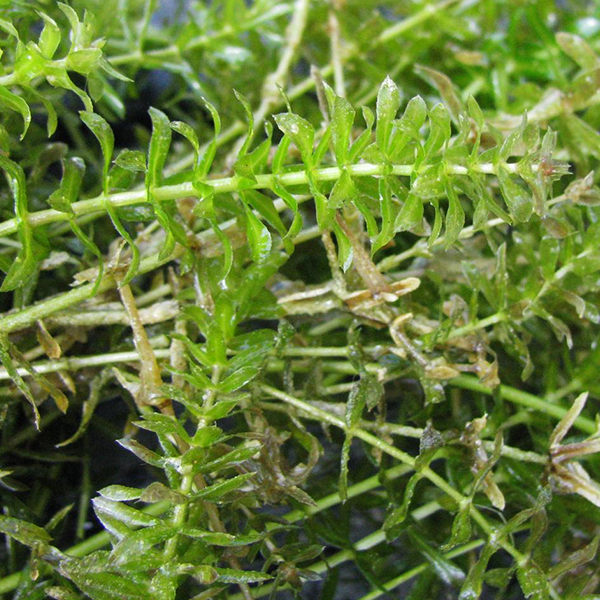
HYDRILLA
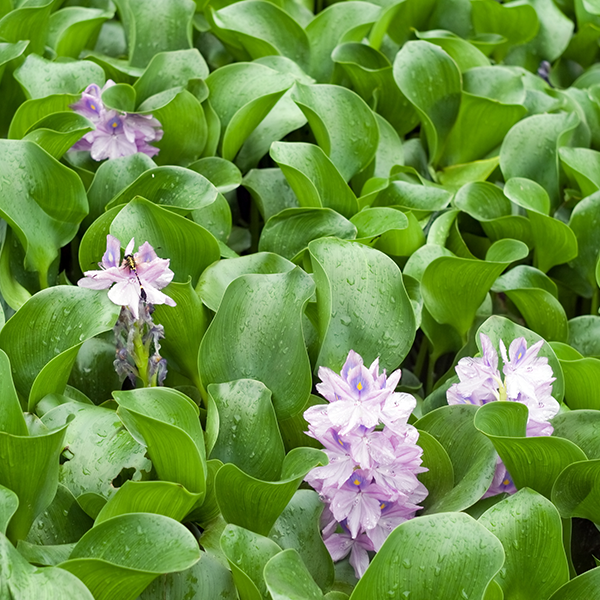
WATER HYACINTH
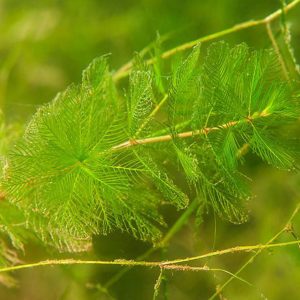
EURASIAN WATERMILFOIL
LCRA recommends leaving native plants such as cabomba, coontail, American pondweed, water stargrass and spatterdock in place as they provide important habitat for fish and other aquatic organisms.
LCRA may manage hydrilla and water hyacinth when it impacts LCRA dam or power plant operations. LCRA does not manage Eurasian watermilfoil and other vegetation that poses no threat to LCRA infrastructure operations.
Managing nuisance aquatic vegetation on public waterways within the lower Colorado River basin
All vegetation management on lakes Buchanan, Inks, LBJ, Marble Falls or Travis, as well as rivers and streams within the lower Colorado River basin, requires approval in advance from the Texas Parks and Wildlife Department and LCRA.
LCRA recommends physical removal over herbicides, since treated plants can decompose and fuel new algae or plant growth. However, many invasive plants spread through fragmentation, so plant material must be carefully contained and collected then securely black bagged or fully dried or composted before transported for disposal. Anyone who cannot bag or fully dry the plants prior to transport for disposal must obtain an Aquatic Vegetation Removal Permit for Exotic Species from TPWD.
If using an herbicide, LCRA strongly recommends contacting a licensed herbicide applicator to design and implement a treatment plan.
Get approval
Submit the following to TPWD Inland Fisheries Management District Supervisor Patrick Ireland at [email protected] and LCRA at [email protected]:
- A completed treatment proposal form.
- Property owners on lakes Inks, LBJ and Marble Falls using herbicides should follow the treatment zone schedule in the map below.
- Treatment proposals for other waterways or for manual/mechanical removal of vegetation may be submitted at any time.
- A map delineating the proposed treatment area.
- Photographs of the plant and the problem it is causing.
TPWD and LCRA will approve or deny treatment plans within 14 days of receiving the proposals.
Notice of intent
If an approved plan includes use of herbicides, the property owner or applicator must send a notice of intent at least 14 days in advance of using herbicides to:
- Water providers with intakes within 2 river miles of the treatment area. This map from the Texas Commission on Environmental Quality (TCEQ) provides contacts for those public water intakes.
- Everyone on the state’s Herbicide Use Notification list.
- TPWD at [email protected] and LCRA at [email protected].
The notice of intent must include:
- All label information for the aquatic herbicide to be applied (this requirement may be fulfilled by providing the URL of an internet site with the specimen label);
- A statement that the TPWD guidance document has been reviewed and the proposed herbicide application is consistent with the principles of integrated pest management, §57.932(a)(2) of TPWD rules, and the guidance document; and
- Information demonstrating the proposed application will not result in exceeding the maximum contaminant level (MCL) of the herbicide in finished drinking water as set by the TCEQ and the Environmental Protection Agency (EPA), or the maximum label rate if the herbicide does not have an MCL established by the TCEQ and the EPA; and the Texas Department of Agriculture applicator license number, if any.
See an example “Proposed Herbicide Use Notice” on page 49 of TPWD’s Aquatic Vegetation Management in Texas: A Guidance Document.
Lakes Inks, LBJ and Marble Falls treatment zone schedule
Treating nuisance aquatic vegetation with herbicides may only occur during specific time periods listed in the treatment zone schedule provided in the map below.
To find a property’s zone, enter the address on the map below, then click on the colored line or symbol for treatment schedule information. The treatment zone schedule includes the treatment proposal application deadline, approved treatment time ranges and period when herbicides may be present in the water.
Properties in red circles are within 600 feet of public drinking water intakes. Properties in gray circles are near the junction of two treatment zones.
Click here to view the map in full screen.
FAQs
What can I do to manage aquatic vegetation around the shoreline of my property?
The Texas A&M Agrilife Extension AquaPlant diagnostics tool provides guidance for plant identification and plant specific management. The tool also provides a list of professional applicators.
The Texas A&M AgriLife Extension provides management options for controlling Eurasian watermilfoil and hydrilla, two of the more common nuisance invasive aquatic plants. Please note the mention of using fertilizer or dyes as a management option in the links DOES NOT apply to public waterways. That is a management option specific to small ponds only. Please see the herbicide control options section of the linked information for examples of products that contain the LCRA-approved active ingredients listed in the below FAQ.
Which herbicide active ingredients can be used in the Highland Lakes?
LCRA has approved the use of herbicides with the following active ingredients in the Highland Lakes: Bispyribac, Copper, Diquat, Endothall, Flumioxazin, Fluridone, Imazamox, and Florpyrauxifen-benzyl: 2-pyridinecarbolic acid, 4-amino-3-chloro-6-(4-chloro-2-fluoro-3-methoxy-phenyl)-5-fluoro-, and phenyl methyl ester. None of the approved active ingredients have recreational use restrictions, but some have restricted uses for irrigation, livestock consumption or potable purposes. To be notified of any proposed herbicide treatments in public waters, sign up on the TPWD Herbicide Use Notification List.
See the product label and Section III.C.3. of the TPWD aquatic vegetation management guidance document for more information. Using an herbicide in a manner inconsistent with product label instructions is a violation of the law.
Should I avoid recreating in the lakes because herbicides may be present?
None of the approved herbicide active ingredients have recreational use restrictions when applied according to label instructions. Using an herbicide in a manner inconsistent with product label instructions is a violation of the law.
Anyone recreating in the Highland Lakes should always use caution and good judgment before entering the lakes. For more safety tips, visit Be LakeWise.
What about treating aquatic vegetation on lakes Buchanan and Travis?
Aquatic vegetation treatment proposals pertaining to these two lakes may be submitted at any time. The treatment zones do not apply to lakes Buchanan or Travis because the reservoirs fluctuate significantly and do not typically experience significant long-term vegetation issues.
What about treating aquatic vegetation on Lake Austin or Lady Bird Lake?
If I have property on lakes Inks, LBJ or Marble Falls, why do I need to know about the treatment zone schedule if I’m not treating aquatic vegetation?
Knowing that herbicides may be in the water at specific times may be helpful to nearby property owners as they decide whether to use lake water for irrigation or other uses. Some of the herbicides approved for use in the zone treatment plan do have irrigation restrictions. Property owners can determine when herbicides could be present in the water near their property based on the zone schedule by entering their address into the treatment zone map above and viewing the information in the table for the zone.
How can I help stop the growth of invasive plants?
- Clean, drain and dry your boats when entering or leaving a lake to avoid transporting non-native species. Leaving a public water body without removing plants and draining all water from your boat and trailer is illegal.
- Reduce or eliminate fertilization on lakeside properties.
- Plant native vegetation buffer strips along the lakeshore to filter the nutrients from rainfall or irrigation runoff coming from lawns.
- Don’t let grass clippings and leaves get into the lake.
- Clean up pet waste.
- Make sure septic systems are properly maintained to prevent excess nutrients from leaching into waterways that plants can use to grow.
What can I do to protect water quality of the lakes?
For questions about nuisance aquatic vegetation, contact TPWD at [email protected] or LCRA Water Quality at [email protected].
Social Media